Ever found yourself in a binge-watching coma, desperately trying to squeeze in just one more episode before life interrupts? Recording streaming video on your smart TV can feel like a feat fit for a tech wizard, but fear not. Whether it’s late-night thrillers or that addictive cooking show, he’s about to reveal the secrets to capturing those precious moments. No need for a magic wand, just a few simple techniques.
Understanding Streaming Video Recording
To grasp how to record streaming video, one must first understand the nuts and bolts of streaming technology. Streaming video is essentially a way to watch content over the internet without fully downloading it. Hence, recording this content requires navigating some specific protocols and technologies. It’s like trying to catch rainwater: you need the right container to hold it. Some smart TVs come equipped with native recording capabilities, while others require a bit more creativity. So, what does this mean exactly? It means having the right tools and knowing the right steps to follow.
Types Of Smart TVs That Support Recording
Not all smart TVs are created equal, especially when it comes to recording capabilities. Samsung, LG, and Sony have models that support video recording directly onto the device’s internal storage or an external drive. For instance, many newer Samsung models come with a feature named “Timeshift,” enabling users to pause live TV and record segments effortlessly. Likewise, LG provides its users the option to record shows on a USB stick. To ensure success, checking the specifications before making a purchasing decision is essential. A simple glance in the manual can provide insight into whether he or she can enjoy this functionality.
Methods To Record Streaming Video
Recording streaming videos can be accomplished through several methods. Here are the most popular options to explore:
Using Built-In Features
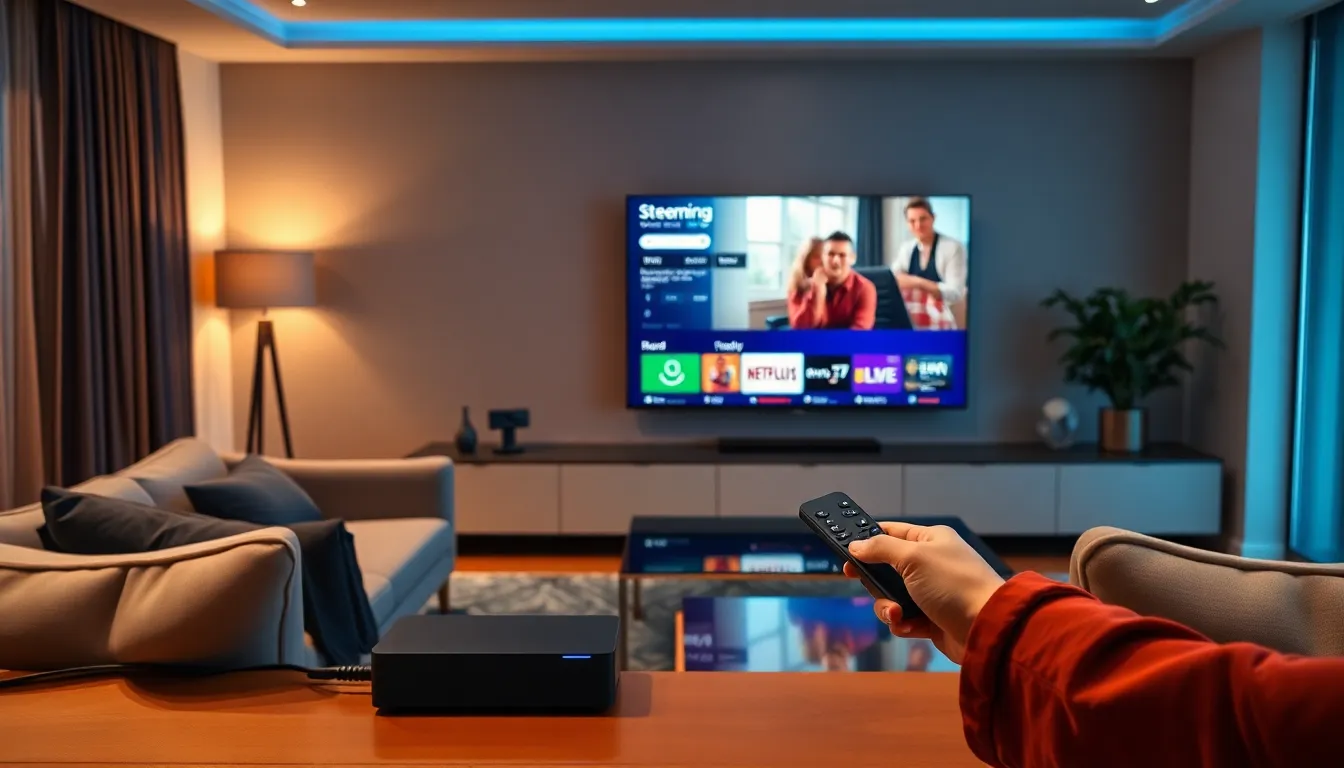
Most modern smart TVs come equipped with built-in recording capabilities. Users should navigate to their TV’s settings menu, usually under options like “Live TV” or “Recording.” This pathway can vary, so if everything looks like a foreign language, consulting the user manual could be a lifesaver. Once inside, there’s typically an option to set up recording schedules or begin on-demand recordings.
Connecting External Storage Devices
When built-in storage isn’t enough, external drives can come to the rescue. By connecting a USB flash drive or hard drive, many smart TVs can transform into their very own recording studios. To use this method, users may need to format the external device correctly as per the TV’s requirements. After connecting the drive, the recording feature can be easily accessed through the settings, allowing users to capture what they love most.
Using Screen Recording Software
For those with some tech-savvy skills, screen recording software offers another way to save streaming videos. Software tools like OBS Studio or ScreenFlow can be used to capture video playing on the screen, whether it’s via a laptop connected to the TV or directly through the smart TV’s browser, if available. These applications provide options to customize recording settings, making it both versatile and user-friendly.
Considerations For Legal Recording
While users may feel like kings or queens of their streaming domain, it’s crucial to understand the legal landscape surrounding video recording. Many streaming platforms have strict policies against recording their content due to licensing agreements. Hence, it’s advisable to familiarize oneself with a platform’s terms and conditions before hitting that record button. Although it might be tempting to capture every moment, the potential risks of sharing or distributing recorded content could lead to serious consequences. Remember, better safe than sorry.
Troubleshooting Common Issues
Let’s face it, even the most advanced technology isn’t immune to hiccups. When attempting to record streaming videos, several common issues might arise:
- Storage Limitations: Users often underestimate how much storage space is required for recording. Running out of space? Delete some old recordings to make room for new ones.
- Format Issues: Those using USB devices might experience format compatibility issues. Ensuring the drive is formatted according to the smart TV’s requirements can save a lot of headaches.
- Connection Problems: If the recording fails to start, it could be due to improper connections. Verify that all cables and devices are securely connected.
- Interference with Streaming Services: Some services do not allow recording, and if a user tries to circumvent this, the login may be restricted. He or she may need to check if the service permits recording functions.
Through careful troubleshooting and understanding user settings, most issues can be resolved easily.